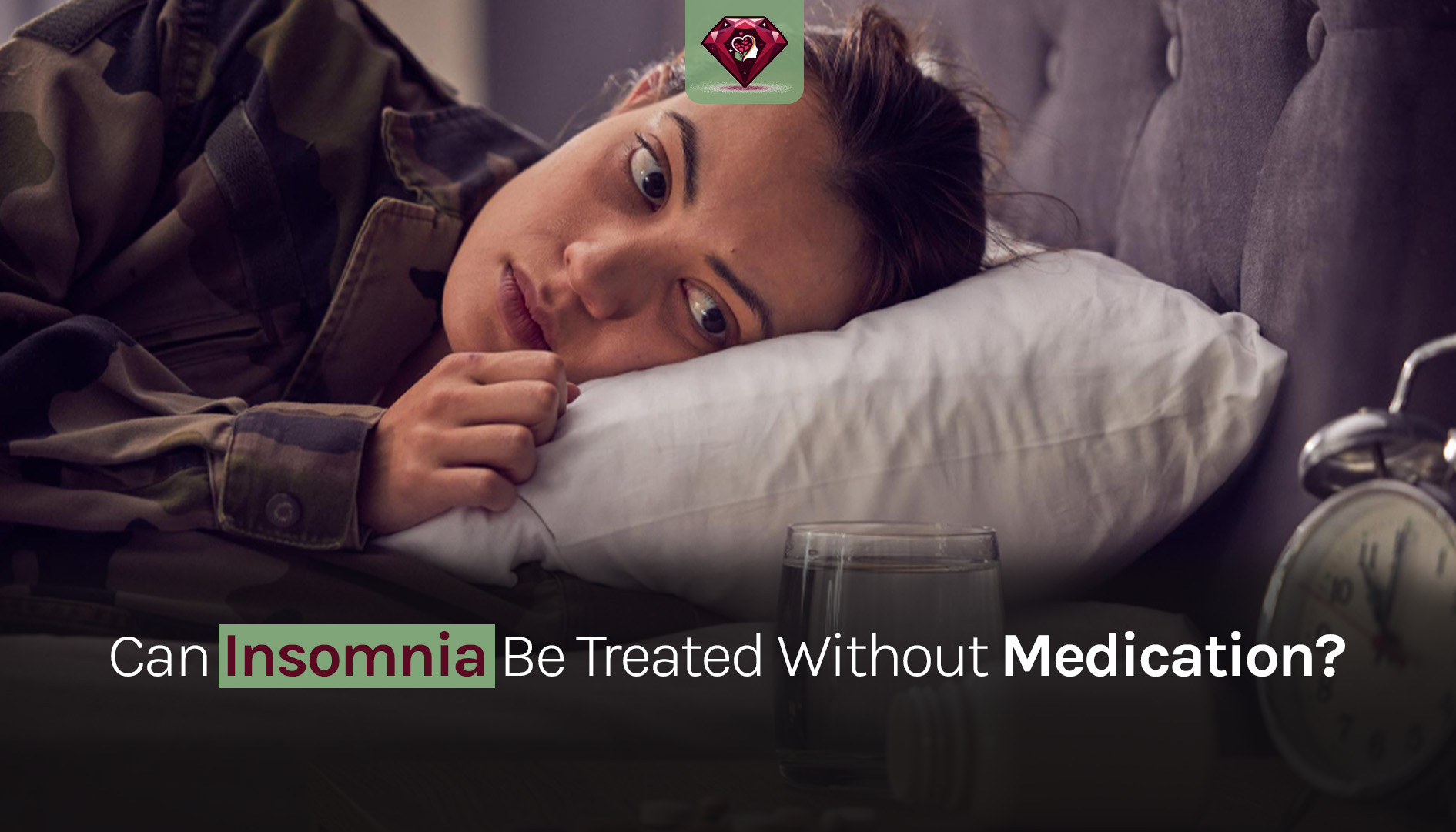
It’s two in the morning, and the house is quiet, but your mind is racing. If this sounds familiar to you, you’re not alone. Insomnia is more than just having a hard time sleeping once in a while. It’s when you have trouble sleeping or staying asleep all the time, which makes you tired the next day.
It is possible to get rid of insomnia without taking any medications. By focusing on behavioral changes, especially CBT-I for better sleep, you can get long-lasting results that address the root cause of your insomnia instead of just treating its symptoms.
Understanding Insomnia: The Cycle That Keeps You Awake
According to the Diagnostic and Statistical Manual of Mental Disorders (DSM-5), insomnia disorder is when you are mostly dissatisfied with how much or how well you sleep. People with this disorder have trouble falling asleep, staying asleep, or waking up early and then going back to sleep. For a diagnosis, these problems must happen at least three times a week for at least three months, cause a lot of stress, or make it hard to live normally, even if the person is getting enough sleep.
Types of Insomnia
The first step to getting better sleep is to figure out what kind of insomnia you have.
- Short-term insomnia: This is usually caused by things that happen suddenly, like changes in life or work deadlines. This usually goes away when stress levels go down.
- Chronic insomnia: This is what happens when short-term sleep patterns become long-term ones. This “trains” your brain to stay up when it should be sleeping.
Common Causes of Sleepless Nights
You may not know that your daily routines can mess up your circadian cycle and make it hard to sleep:
- Inconsistent Schedules: Your body’s internal clock gets confused when you wake up and go to bed at different times.
- Poor Sleep Hygiene: If you check your email in bed, your brain won’t connect the bedroom with sleep because the lines between work and rest are blurry.
- Nighttime Anxiety: When your worries turn nighttime into a time for problem-solving, your mind stays busy instead of relaxing.
Read more here to understand how insomnia affects our lives.
Key Symptoms and Impacts
Not only does insomnia make you tired, but it also makes it harder to control your emotions and think clearly. Some common signs of insomnia are:
- Not being able to fall asleep, even when you’re tired.
- Having racing thoughts as you wake up.
- Tiredness during the day that makes it hard to spend time with family and get work done.
- Getting more scared or worried, especially before bed.
Breaking the Cycle
The most comforting thing about insomnia is that it is often caused by behavior. By recognizing and changing these habits, you can often improve the quality of your sleep without taking medicine.
The Benefits of Treating Insomnia Without Medication
If you choose non-drug sleep aids, you can take back control of your sleep. Natural methods help your body’s internal clock get back on track for the long term, while sleep medications only work for a short time.
Why go the behavioral route for better sleep?
- Long-lasting results: You learn healthy habits that last a lifetime instead of relying on a drug every night.
- No Dependence: Avoid common drug problems like rebound insomnia or tolerance.
- Root Cause Resolution: These methods look at the deep-seated fears and patterns that are keeping you awake at night.
Cognitive Behavioral Therapy for Insomnia (CBT-I) is the most widely accepted first-line treatment for chronic insomnia that is backed by science. Without a prescription, CBT-I can help you get the best sleep by changing the thoughts and habits that keep you from sleeping well.
Breaking Down CBT-I: The Main Components of CBT-I
Cognitive Behavioral Therapy for Insomnia (CBT-I) is the best way to treat long-term sleep problems. This therapy, which is based on evidence, usually takes place over 4 to 8 guided sessions with personalized homework like sleep diaries. It deals with the root causes of insomnia in a more structured and personalized way than sleeping pills. CBT-I helps people get back to sleeping well in the long term by changing their thoughts and behaviors.
These are the main parts of CBT-I and how they work together to help you get the sleep you need.
- Sleep Restriction Therapy: Sleep restriction treatment makes your sleep more effective by changing how much time you spend in bed and how much time you actually sleep. This temporarily shortens your “sleep window” (under strict supervision) to boost your body’s natural homeostatic sleep drive. You might feel tired at first, but this method turns scattered sleep into deep, restful sleep.
- Stimulus Control: If your bed makes you anxious instead of relaxed, stimulus control might help. This method makes the connection between sleep and the bedroom stronger in the brain. The most important rule? If you still can’t sleep after 20 minutes, get up and leave the room. After doing something calm and not too exciting until you feel sleepy, go back to bed. This changes how you see the bed as a place to sleep.
- Sleep Hygiene Education: Good sleep hygiene includes making changes to your daily routine that help your circadian rhythm. Small things you do every day can make a big difference in how well you sleep.
- Morning Sunlight: Get outside early to reset your body’s clock.
- Wake Up at the Same Time Every Day: Get up at the same time every day, even on the weekends.
- Routine for Winding down: At least an hour before bed, turn off the lights and stay away from blue light from screens.
- Cognitive Therapy: Do your racing thoughts keep you up at night? Cognitive therapy can help with the worry and “catastrophic thinking” that often come with insomnia, like “I’ll be useless tomorrow if I don’t sleep now.” Recognizing and arguing against these harmful thoughts can help you fight the urge to fall asleep and make you less excited before bed.
- Relaxation Training: Relaxation training can teach you how to calm your body and mind before bed using physiological methods. Gradual muscle relaxation, deep breathing exercises, and biofeedback are all techniques that lower heart rate and muscle tension and make it easier to fall asleep.
Daily Habits to Boost Your CBT-I Results
You can improve the results of your sleep therapy by adding healthy habits to your daily life. These simple, scientifically proven strategies work with basic CBT-I techniques to help your body sleep.
- Keep moving: Walk with your family in the morning or do light exercise to help you get tired naturally.
- Set a bedtime routine: It is important to set up a “wind-down” buffer. Turn off the lights, stretch, or drink herbal tea to let your brain know it’s time to relax.
- Clear your head: Keep a notepad handy so you can write down your to-do list for tomorrow. This will help you avoid staying up late because of racing thoughts.
- Turn your bedroom into a place where you can sleep well. Use blackout curtains or white noise to keep the area cool, dark, and quiet.
Realistic Expectations and Professional Support
The key is to stay consistent. Changing your sleep schedule early on might be hard, but sticking to the plan usually works best. To stay motivated during busy times, focus on small wins.
However, you may want to seek professional assistance if your sleeplessness persists or is linked to worry, mood changes, or other concurrent issues. With our telehealth services, which include in-home CBT-I treatment and customized evaluations, you can get the trustworthy assistance you require without having to rearrange your schedule.
Final Thoughts
One focused, non-pharmacological treatment that can assist you in returning to restful, natural sleep is CBT-I. Sleepless nights and the need for medication are not necessary outcomes of insomnia. By altering your thoughts, habits, and surroundings to ensure you get adequate sleep, you may begin a cycle of healthy nights and happier days.
Push yourselves gently: Tonight, start with one thing to test, such as regulating your stimulus or waking up at the same time every day, and then add more. Small steps can lead to big changes.
Are you ready for help that is just for you? To take the next step toward nights you look forward to, book an appointment at Ruby Reflections Mental Health.
For more ways to improve your mental health, check out our other articles on stress, anxiety, or family health.
FAQs
How long do these techniques take to improve sleep quality?
Many claim that daily practice improves their sleep, and the benefits endure longer when habits are established.
Are these approaches suitable for shared families or individuals?
Yes, it’s beneficial for the entire family because it focuses on establishing routines and quiet times in shared spaces in order to make healthy behavioral adjustments.
What if non-pharmacological treatments do not entirely resolve the issue?
By making adjustments or determining whether behavioral work plus short-term assistance is the best course of action, a professional examination can assist you in determining the optimum combination for your circumstances.
Is using CBT-I safe for everyone?
Although CBT-I is generally safe and well-tolerated, certain of its techniques, such as sleep restriction, may need to be modified for patients with specific medical or mental health issues. It is best to discuss your case with a trained specialist.