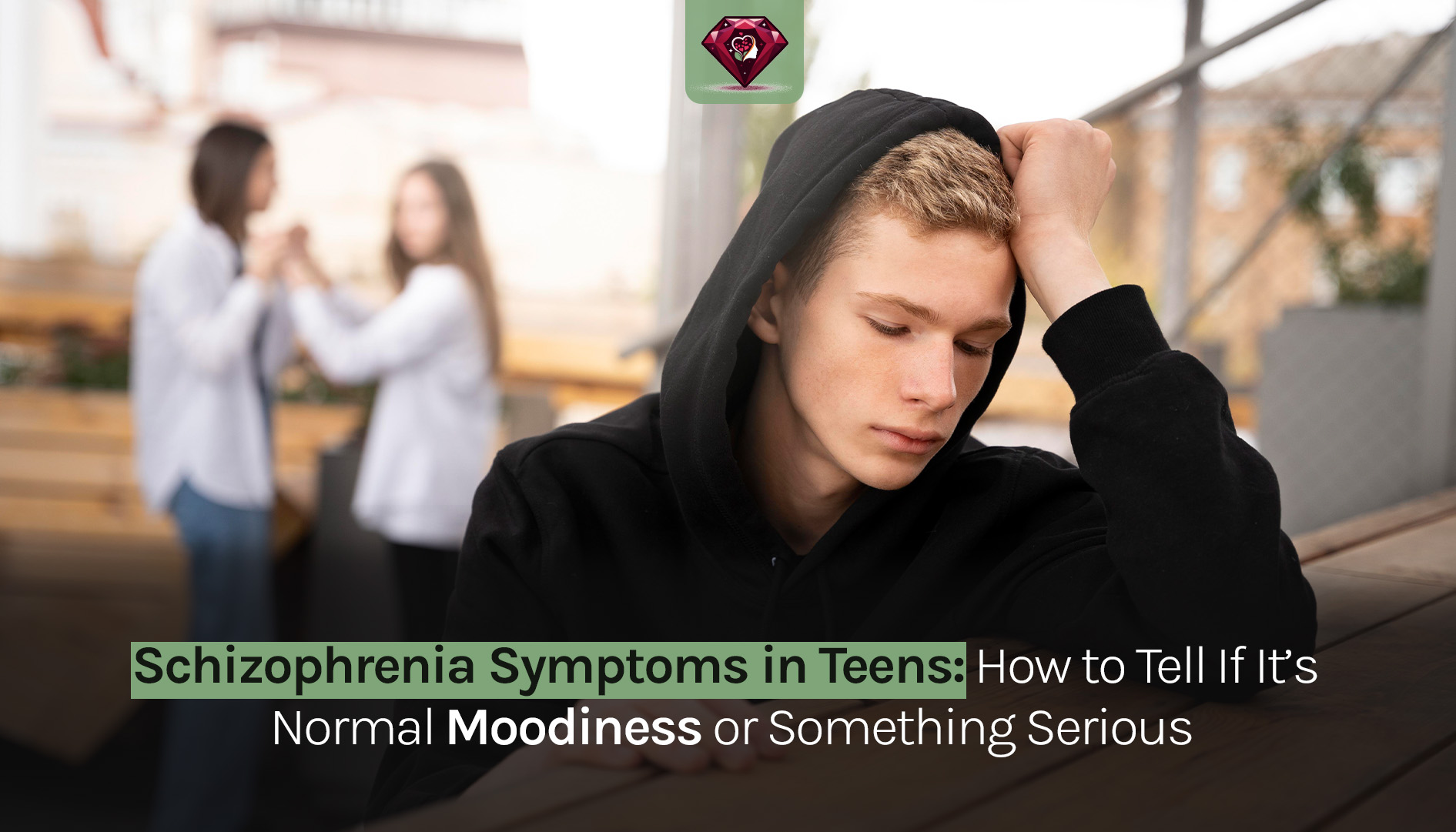
Is your teen’s sudden change in behavior just hormones, or could it be something more serious? As a caregiver, it can be hard to tell the difference between normal growing pains and early signs of schizophrenia in teens. Schizophrenia is a serious mental illness that makes people lose touch with reality. It usually starts in the late teens. If you’re seeing changes that feel more intense than normal high school drama, it’s important to know what you’re dealing with.
It’s hard to know the difference between teen mood swings and psychosis. Teenagers who are normally moody tend to stay that way, but teens who have schizophrenia may have hallucinations or irrational beliefs that last. The first step is to notice these red flags, because early intervention leads to better results. We’re here to help you find a clear way forward by giving you useful tools and support for your family.
Understanding Schizophrenia in Teens
What Is Schizophrenia?
Schizophrenia is a long-term brain disorder that changes how a person sees the world. People often call it a “glitch” in the brain’s wiring. It can cause hallucinations (seeing or hearing things that aren’t real), delusions, and emotional responses that aren’t normal. For teens, dealing with these symptoms can be especially hard because their brains are still growing and changing.
Schizophrenia Age of Onset
The National Institute of Mental Health (NIMH) says that schizophrenia symptoms usually show up between the ages of 16 and 25. During puberty, teens are at a higher risk because their brains are going through big changes. Studies show that men usually start showing symptoms earlier, usually in their late teens, while women usually start showing symptoms a little later.
Prevalence of Schizophrenia
According to the World Health Organization (WHO), schizophrenia affects about 1 in 300 people around the world, which is about 24 million cases. In the U.S., the rates of prevalence are between 0.33% and 0.75%. Even though it doesn’t happen very often, the condition changes the lives of the families who have it. Recent data from 2025 shows a small rise in reported cases, which is probably due to better diagnostic tools and more awareness.
Why Teens Are Vulnerable to Schizophrenia
Adolescence brings about a distinctive “perfect storm” of biological and environmental transformations, heightening the risk of schizophrenia in susceptible teenagers. This vulnerability arises from a multifaceted interaction of cerebral development, genetic factors, and external stressors.
Key Risk Factors for Schizophrenia in Teens
- Genetic Predisposition: A significant family history impacts risk. Studies show that schizophrenia is very likely to run in families, with an estimated heritability rate of 80%. This means that genetics is a major cause.
- Environmental Triggers: External stressors like bullying, family conflict, or moving can make existing weaknesses worse. Childhood trauma is often recognized as a contributing factor in cases of early onset.
- Changes in hormones: The hormonal changes that happen during puberty can make it harder to make a diagnosis. These changes may look like or hide early signs of psychosis, making it hard to find them at first.
Another important risk factor for triggering psychosis in genetically predisposed adolescents is drug use, especially smoking marijuana.
Teen Moodiness vs. Schizophrenia: Identifying the Symptoms
Understanding Normal Teen Behavior
Most mood swings that happen during the teenage years are perfectly normal. This is a time of big changes, and it’s normal for teens to feel like they’re on an “emotional seesaw.” These behaviors frequently resolve independently or with minimal assistance, such as familial discussions or school counseling.
Some common examples of normal behavior are:
- Situational Irritability: Getting angry or withdrawing when schoolwork, homework, or tests stress you out.
- Changes in hormones: Emotional highs and lows caused by friends, relationships, or social media.
- Changes in Lifestyle for a Short Time: Changes in sleep or appetite that happen when you have a lot going on or stay up late.
The Key Difference: Teen mood swings are usually short-lived and happen for a reason. If your teen feels better after a weekend of rest, it’s a normal part of growing up.
Key Symptoms of Schizophrenia in Teens
There are three types of symptoms of schizophrenia: positive, negative, and cognitive. In teens, these can be hard to tell apart from normal teen behavior, so it’s important to find them early.
- Positive Symptoms: These add “extra” experiences that aren’t real. Some examples are hearing voices (hallucinations), believing that friends are plotting against them (delusions), or thinking in a disorganized way.
- Negative Symptoms: These include losing normal functioning, like withdrawing from social situations, having no motivation, or having “flat” emotions (not showing any emotion).
- Cognitive Symptoms: Problems with cognitive function, such as trouble concentrating, making bad choices, or a sudden, unexplained drop in grades.
Early Warning Signs: Look for signs that are specific to the age group, like being very paranoid about classmates or acting strangely, like talking to yourself.
When Moodiness Turns Serious: Red Flags to Watch For
Look out for these specific signs that show a mental health problem is more serious than just being moody:
- Hallucinations: Hearing voices or seeing things that aren’t there. Teenagers may look like they’re not paying attention, are scared, or are reacting to things they can’t see.
- Paranoia and Delusions: Showing extreme distrust or beliefs that don’t make sense, like thinking they are being watched or spied on by outside forces.
- Disorganized Speech and Behavior: Speech that doesn’t make sense, personality changes that happen suddenly, or conversations that don’t make sense.
- Self-Harm and Neglect: Signs of self-harm, suicidal thoughts, or a clear drop in personal hygiene and basic self-care habits.
If you see a group of these symptoms, it’s important to get help right away. Quickly recognizing these signs can help stop a full-blown psychotic episode and make sure your teen gets the help they need.
The Impact of Untreated Schizophrenia in Teens
If not treated, schizophrenia can make a teenager’s schoolwork and friendships worse. Long-term risks include becoming dependent on drugs and self-harm. Fortunately, getting treatment for schizophrenia early is linked to 50–70% better recovery rates, which helps teens deal with their symptoms better.
Helping a Teen with Suspected Schizophrenia Symptoms
If you notice warning signs, act quickly with this plan:
- Document symptoms: Note specific behaviors, frequency, and start dates to aid professionals.
- Talk openly: Use non-judgmental language like, “I’ve noticed you seem stressed lately,” rather than making accusations.
- Consult a doctor: Visit a primary care physician or school counselor first to rule out other medical issues.
- Find a specialist: Seek a psychiatrist or psychologist for a formal diagnosis.
Approach the conversation with empathy to minimize defensiveness.
Teen Schizophrenia Treatment Options
Effective treatment usually involves a combination of medication and therapy:
- Medication: New 2025 options like Cobenfy (xanomeline and trospium) target symptoms with fewer side effects.
- Therapy: Cognitive Behavioral Therapy (CBT) helps reframe thoughts, while family therapy strengthens home support.
- Accommodations: Look into school support plans and peer groups.
Critical Resources
- NAMI Helpline: Call 1-800-950-NAMI for advice.
- Schizophrenia & Psychosis Action Alliance: For education and support groups.
- Crisis: Dial 988 for immediate, confidential help 24/7.
Prevention and Early Intervention Strategies
Building Resilience in Teens
Parents are very important in helping teens become more resilient. Encourage good habits like getting enough sleep and exercise, and make sure to talk to each other openly so you can catch problems early. Teaching teens how to deal with stress, like through mindfulness, helps them deal with problems more effectively.
School and Community Support
Schools and communities are important places for early intervention. Push for mental health education and screening programs to find risks early and make the environment safe and free of stigma.
Final Words
Being able to tell the difference between normal teen moodiness and schizophrenia symptoms in teens can save lives. It’s all about spotting those red flags early and being kind. What seems like “just being a teenager” could be a cry for help, but you can make a difference if you know what to look for.
With help early on, teens can do very well and make lives that are worth living even when things are hard. If this sounds like you and you’re worried about your teen, please call our mental health services for a consultation or assessment.
FAQs
What are the first signs of schizophrenia in a teenager?
Often subtle: Withdrawal, odd beliefs, or hearing voices. Watch for changes lasting weeks.
Can schizophrenia in teens be cured?
Not “cured,” but well-managed, many people live without symptoms with treatment.
How does schizophrenia differ from bipolar disorder in teens?
Schizophrenia involves psychosis, like hallucinations; bipolar disorder is more about extreme mood shifts.
How common is schizophrenia in teens?
About 1 in 300 worldwide, with onset often in late teens.