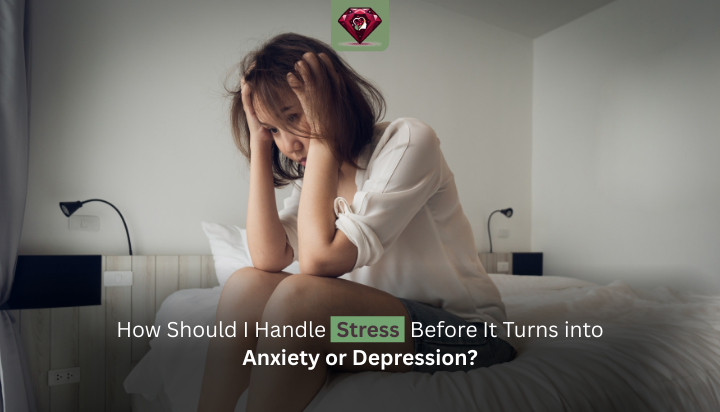
We’ve all been there: waking up already feeling behind, with too many emails to answer or bills you didn’t expect. When all of these daily stresses add up, the tightness in your shoulders isn’t just stress; it’s your body telling you to stop.
Stress is a normal reaction to everyday problems, but if you don’t do anything about it, it could turn into bigger issues like chronic anxiety or depression. The good news is that you can stop this from getting worse by managing your stress. This article will teach you how to strengthen your mind, recognize early warning signs, and prevent anxiety before it starts. Today, let’s take charge of your health.
Understanding Stress and Its Potential Escalation
What Is Stress and Why Does It Matter?
Stress is a reaction of the body to changes, pressure, or perceived threats, both physical and emotional. It is your body’s natural alarm system. It focuses your mind on meeting deadlines or dealing with crises.
But when that alarm will not switch off, healthy acute stress will become chronic stress. Whereas acute sources are temporary, chronic stress takes weeks or months because of persistent factors such as finances or work.
When this is not attended to, it has a ripple effect. It not only drains you but also affects your family. Children tend to imitate their parents’ emotional state; i.e., your way of handling stress is your way of looking after the family.
Early Signs That Stress Might Lead to Anxiety or Depression
It’s vital to notice signs of stress early on so they don’t turn into anxiety or depression. Here are some small things to keep an eye out for.
1. Physical Symptoms
Your body usually speaks before your head does. Watch out for:
- Chronic fatigue: Sometimes a person feels stressed out but still feels tired even after sleeping.
- Muscle tension: Muscles in the jaw, the neck, and the back are constantly tense.
- Eating: Initially eating much or a little than usual.
2. Emotional and Behavioral Changes
Stress influences your response to the world and the things around you. Common indicators include:
- Irritability: Getting angry and snapping at people he loves on account of trivial problems.
- Brain fog: Not remembering what you were saying or thinking about in the middle of a sentence, or the inability to pay attention to simple things.
- Withdrawal: This means those who feel too tired to socialize and so seclude themselves from hobbies and friends.
3. Cognitive Shifts
Pay attention to what you’re saying to yourself. Chronic stress usually leads to:
- Negative loops: Always thinking about the future in a “what if” way.
- Imposter syndrome: When you feel like you’re failing or don’t believe in yourself.
- Magnification: Making minor problems seem like big ones that can’t be fixed.
These signs don’t usually show up all at once. If you notice these signs of stress early, you can do something about them, like taking a break to breathe or setting limits, before it gets worse and becomes a bigger mental health issue.
Step-by-Step Strategies to Handle Stress Proactively
Here is a streamlined, step-by-step strategy for proactively managing stress.
Step 1: Build Awareness Through Self-Monitoring
You cannot control things that you are not aware of. Following your patterns is the first step in the Stress Snapshot method. Write down three points in the form of bullets every day:
- What triggered the stress?
- How does your body feel?
- How did you react?
No long entries in your journal. Just write down the main points on your phone or a sticky note. After a week, you might start to see patterns, like “Traffic always makes me tense” or “Evenings feel heavier after skipping lunch.”
If you can’t handle it right now, use the 5-Sense Check-in. Name something you can see, hear, touch, smell, and taste. This grounding method ends the panic cycle in less than 30 seconds. It takes 20 to 30 seconds and brings you back to the present when your mind starts to race.
Quick tools that help:
- Free mood-tracking apps (the ones that are simple with the emoji logs are the most convenient).
- A question of reflection once a week during the week: What was the most helpful this week, and what was the least beneficial?
Step 2: Build Daily Habits for Stress Reduction
Do small things every day to lower your baseline anxiety.
- Micro-movements: You don’t need a gym to do small movements. Do 2 minutes of shoulder rolls or desk stretches to help your body release chemicals that make you feel great.
- Mood-stabilizing food: Avoid sugar crashes. Pick snacks that are high in protein, like almonds or Greek yogurt. These will keep your blood sugar levels steady, rather than making them go up and down. Think of water as a way to clear your mind. A full glass can calm a busy mind faster than you think.
- Sleep hygiene: Set up a regular way to relax. Turn down the lights and write down three things you’re thankful for an hour before bed to help your mind calm down.
Changes that help families and make habits stick:
- Make one dinner together every week. It will be less stressful and help you connect better.
- Set up a “no phone” zone in the living room or at the dining table so that everyone can relax.
Step 3: Master Emotional Coping Tools
Use specialized skills to respond rather than react when you’re stressed.
- Layered Breathing: Breathe in for four counts, hold for one to feel the effect, and then breathe out for six to let go of stress.
- Change your Way of Thinking: Instead of “What if I fail?” say “What now?” Don’t think about the worst thing that could happen. Instead, think about what you need to do next. For instance:
“What if I screw this up and everything goes wrong?”
Say something like, “I’ve been through tough times before.” What is the next small thing I can do?
- Check-ins: You do not have to make a long phone call. Even what you share a relatable meme with a friend or a note of “rough day” can help remind you that you are not the only one.
Step 4: Create a Balanced Lifestyle Framework
To avoid long-term stress, keep your energy safe.
- The Priority Pyramid: Organize your to-do list, including the tasks that are the Must-Do of the day, and the Nice-to-Do tasks. This makes it easy to overlook low-priority items.
- Go back to Joy: Spend 10 minutes a week doing “forgotten fun” things like drawing or listening to old music to fill up your emotional tank.
- Set some Limits: Learn how to say, “I’d love to help, but I’m busy right now.” – “I’ll look at my calendar and get back to you.”
You can be fully present for the things that matter most if you take care of your time.
When to Seek Professional Help
If stress is too much for you and is making you panic, feel bad all the time, or have trouble with your daily tasks, it’s time to get help. Getting help early is the best way to stop stress from turning into anxiety or depression.
Our telehealth sessions at Ruby Reflections Mental Health give you a clear plan to help you deal with your complicated feelings. Remember that getting help is a sign of strength, not weakness.
Building Resilience for the Future
You fill your resilience with daily tasks, just like you fill a reservoir. Put these things in your mental health toolkit:
- Playlists or podcasts that help you calm down
- Someone you can count on to help you talk to
- Things that have helped you in the past
Get your family involved in gratitude practices and do “resilience check-ins” once a month to deal with changes in your life.
Start Managing Stress Today
You have the roadmap: identify triggers, make good habits, and ask for help when you need it. Do something easy at first, like taking a deep breath or going for a short walk. If you need support, Ruby Reflections Mental Health can help you feel steady and strong.
Get started by doing one thing today. A ten-minute walk, a stress snapshot, or a layered breath might help. Small things add up fast.
If you want personalized help along the way, Ruby Reflections Mental Health offers telehealth options. You should feel calm and confident.
You can do this.
FAQs
How do I know when I need to see a therapist?
You should get professional mental health help right away if you are always unhappy, worried, or having trouble sleeping, or if stress is making it hard for you to do your daily tasks.
Is telehealth as effective as in-person therapy?
Yes. You can get the same level of expert care through telehealth sessions, but they are more flexible and comfortable. This makes it easier to fit mental health care into a busy schedule.
How can I prevent stress from turning into anxiety?
Making a “resilience toolkit” is very important. This means taking care of yourself regularly, staying in touch with friends and family, and getting counselling right away if your stress levels get too high.