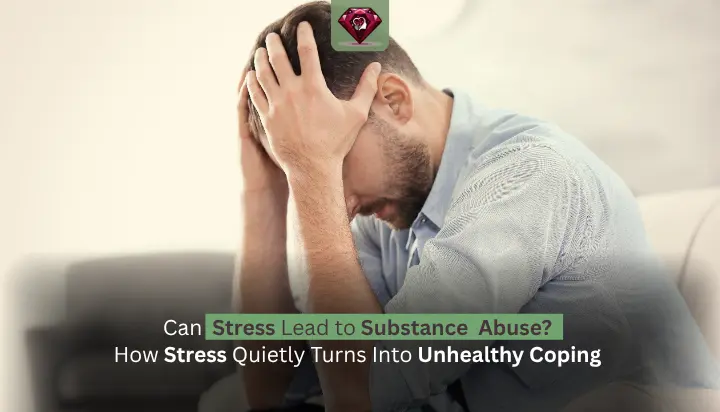
Life can be heavy. Stress at work, family issues, money problems, emotional fatigue, or just the weight of life. You have a drink, a smoke, something to take the edge off, “just this once”. As time goes on, it becomes more routine, and you start to rely on it to get you through the day. How did this thing that felt like relief turn into something you can’t get rid of?
Stress is one of the most common pathways into problems with substance use. The brain naturally wants to relieve emotional pressure and nervous system overload quickly. Alcohol, drugs, or other substances may provide temporary relief from stress, but can establish dependency patterns that add to emotional distress in the long run rather than solve it.
This is a very common pattern, and not a sign of weakness or failure. It’s a very human response to the constant pressure, emotional burnout, and chronic stress that many suffer in silence.
Can Stress Really Cause Substance Abuse?
Chronically stressed individuals are definitely at higher risk for substance abuse/drug abuse. A nervous system continually in stress overload will start to look for a sudden release of emotion, anything that shortens the relentless stress. These chemicals can help to temporarily ease tension, reduce emotional pain, calm racing minds, or provide short-term relaxation. This, at first, might assist instead of endangering.
The problem is that the brain rapidly becomes attuned with the substances to relieve. As time goes on, this can develop unhealthy coping patterns, which may help to stimulate cravings, emotions, or more use when stressed. That’s why stress and drug abuse go hand-in-hand.
How Chronic Stress Changes the Brain and Nervous System
Stress is more than just emotional; it affects the body, too. If stress is chronic, it creates an ongoing ‘always on the alert’ response through the nervous system. The brain goes into “survival mode” and pays attention more to feel better in the short term than to improve health in the long term.
Those in the state tend to feel:
- Mental overload
- Emotional exhaustion
- Irritability
- Sleep disruption
- Racing thoughts
- Difficulty relaxing
- Feeling emotionally numb or disconnected
The brain wants to get rid of such uncomfortable feelings. To escape this internal pressure, people often turn to substance use, which is why stress-related substance use develops slowly and subtly.
Why People Use Alcohol or Drugs to Cope with Stress
Most people do not begin using substances intending to develop a serious problem.
What actually happens is easier to understand.
Substances can be used for a variety of purposes, including:
- Give yourself a chance to unwind from hectic days
- Escape emotional pressure
- Reduce anxiety temporarily
- Have a more positive attitude
- Fall asleep more easily
- Take a break from daily stress
- Escape from the constant worry
- Feel “normal” again
This can also be referred to as “self-medicating” a stress or an overburden of emotion. This relief can seem tangible in the short-term and makes it hard to get out of the pattern over time.
The Stress–Relief–Dependence Cycle
Stress rises. Substances bring temporary relief with a sense of calm or getting away from emotional suffering.
The Temporary Relief Phase
Stress rises. Substances temporarily reduce emotional discomfort, creating short-term calm or escape.
The Brain Learns the Pattern
The brain starts associating stress with drug-like relief. When stress arises again, there’s a possibility of cravings and urges coming more quickly.
The Hidden Cost Phase
With time, substance use can lead to the development of:
- Relationship stress
- Guilt or shame
- Sleep problems
- Emotional numbness
- Financial pressure
- Reduced motivation
- Increased anxiety
These new stressors can often lead to increased emotional overwhelm and increased substance consumption.
The cycle becomes:
Stress → Relief → More Stress → More Use
It’s not a personal flaw or weakness. It’s just how your brain becomes used to repeated relief-seeking behavior over time.
Signs Stress Is Turning into Unhealthy Coping
The change can be subtle and/or hard to detect. Common signs include:
- Using substances to unwind every day
- Feeling unable to relax without them
- Stress drinking is becoming more frequent
- Reaching for substances during emotional conflict
- Hiding or minimizing use
- Feeling anxious or irritable when unable to use
- Promising yourself “just this once” repeatedly
- Needing more of the substance to feel the same relief
- Emotional withdrawal from loved ones
- Loss of healthy coping habits
Patterns in these behaviors can suggest a connection between stress and substance use.
What This Looks Like in Daily Life
At Home and in Family Life
The use of substances because of stress can subtly impact performance, emotional frequency, and communication.
Families may notice:
- Emotional distance
- Increased irritability
- Withdrawal from conversations
- Reduced patience
- Conflict around responsibilities
At Work or School
People may experience:
- Trouble concentrating
- Mental fatigue
- Increased procrastination
- Reduced motivation
- Burnout symptoms
- Difficulty managing responsibilities
Emotionally and Internally
Many people describe:
- Feeling emotionally exhausted
- Wanting to “shut off” their thoughts
- Feeling numb instead of calm
- Losing interest in hobbies or relationships
- Feeling trapped in a coping cycle
Why Stress and Substance Use Feed Each Other
Substances may relieve stress temporarily, but they tend to make things worse in the long run.
Over time, they can:
- Disrupts sleep
- Increase in emotional instability
- Decrease stress resilience
- Undermines healthy coping skills
- Increase in anxiety or low mood
- Develop emotional dependency patterns
This further overwhelms the nervous system, and the desire for quick relief starts all over again.
This is why stress and addiction patterns so often become a cycle.
Gentle Ways to Start Managing Stress Without Substances
Recovery doesn’t start with perfection. It starts with awareness and small, sustainable changes.
Notice Early Stress Signals
Pay attention to:
- Tight shoulders
- Thoughts racing
- Agitation
- Disappointing
- Emotional shut-down
Awareness gives a choice before automatic coping kicks in.
Build Alternative Stress Relief Tools
Healthy coping doesn’t have to be overwhelming.
Small-scale alternatives are:
- Brief walks
- Listening to soothing music
- Soft movement
- Techniques of breathing
- Supportive calling someone
- quiet time away from stimulation
Reduce Nervous System Overload
Chronic stress tends to improve as life becomes less emotionally overwhelming on a day-to-day basis.
This can include:
- Improved sleeping habits
- Less stimulation
- More rest and structure
- Less pressure to “push through” all the time
Focus on Small Emotional Resets
Little moments of calm count.
Simple grounding techniques can help break the cycle of automatic stress responses before substances become the go-to.
When Stress-Related Substance Use May Need Professional Support
Professional support may help when:
- Substance use is out of control
- Stressed or overwhelmed with stress all the time
- Relationships are being hurt
- Emotional exhaustion continues to increase
- Work or daily functioning impairment
- You’re stuck in the loop of feelings
How Therapy Can Help
Supportive mental health care can help you to:
- Look out for stress patterns
- Identify healthier ways to cope
- Decrease emotional flooding
- Manage anxiety, burnout, or depression
- Slowly reestablish emotional equilibrium
- Develop tangible approaches to recover without shame
Ruby Reflections Mental Health offers warm and compassionate support for stress, emotional overwhelm, and substance use challenges through personalized therapy and secure telehealth care.
Conclusion — Relief Shouldn’t Create More Pain
The brain wants to get relief from emotional overload, and stress can stealthily open the door to problematic substance use.
But what begins as a temporary means of coping can gradually become a cycle that ratchets up stress instead of easing it.
The hopeful truth is that this cycle can be reversed.
With understanding, healthier coping tools, consistent support, and compassionate care, many people successfully break stress-related substance use patterns and reconnect with emotional balance, relationships, and daily life again.
There’s no need to “fix everything” in one night. Small steps towards healthier relief still count.
FAQs
Can stress really lead to substance abuse?
Yes. Chronic stress intensifies the emotional burden and overloads the nervous system, fostering an environment where substances seem like a fast escape. This can become an unhealthy coping method over time.
What are the signs that stress drinking is becoming a problem?
A growing problem may be indicated by using alcohol regularly to relax, feeling unable to cope without it, hiding use, or noticing increased emotional dependence.
Can therapy help with stress-related substance use?
Yes. Therapy is a way to understand emotional triggers, de-stress, and learn better coping skills without shame or judgment.