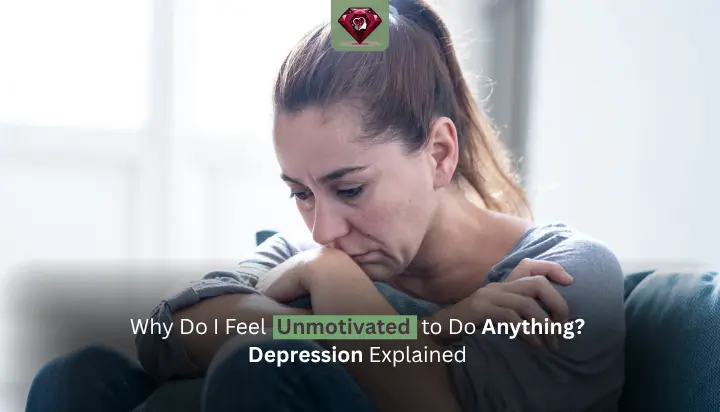
A chronic lack of motivation might be related to emotional and mental exhaustion rather than laziness. Depression, anxiety, burnout, and lack of sleep can all diminish the energy, engagement, and motivation in your brain. This can make even simple tasks daunting. The key to healthy motivation restoration is to understand the underlying reason.
When Motivation Feels Out of Reach
You promise yourself you’ll start in a minute; only one job. But the minute extends, and somehow the day goes by.
You’re not ignoring your duties; you’re just trapped. Things that should be easy seem tougher than they are.
If you’ve been thinking:
- “Why don’t I have any energy or drive?”
- “Why do I never want to do anything?”
You’re not the only one, and this isn’t simply about willpower.
A lot of the time, low motivation is linked to depression, mental exhaustion, or too many emotions. You may stop blaming yourself and start working with your brain instead of against it when you know what’s really going on.
What Does “Lack of Motivation” Really Mean?
Wanting to do something isn’t the only thing that motivates you. It relies on the collaboration of three factors:
- Mental clarity (knowing what to do)
- Emotional energy (feeling strong)
- Physical activation (doing the task)
Motivation goes down when one of these things drops. When all three are low, which happens a lot when you’re depressed, it can feel like you can’t start at all.
Signs Your Low Motivation Is More Than Just a Phase
You might see:
- Not being interested in things you used to like
- Having a blank or stuck mind
- Putting things off and then feeling bad about it
- Feeling tired even after resting
- Staying away from jobs that used to be easy
This tendency is more likely to mean depression and low energy than laziness.
How Depression Affects Motivation
Depression not only changes mood, but also your motivation to do things.
The Brain–Motivation Connection
When you’re experiencing depression:
- The reward center of the brain is less sensitive
- It’s not fun to do activities
- You have to put in more effort to start
So, while you may want to start something, your brain might not send the signal to start.
Emotional Weight and Mental Fatigue
It’s often characterized as:
- “Everything feels heavier.”
- “It’s so tiring doing even little things.”
This is why it’s common to be both unmotivated and fatigued.
The Hidden Guilt Cycle That Keeps You Stuck (Unique Insight)
A less understood element of low motivation is the cycle that it creates:
- You feel unmotivated
- You procrastinate or avoid
- You are disappointed or guilty
- The guilt makes you feel worse
- You’re even less motivated
This is not about willpower; it’s about a vicious cycle.
The way to break the cycle is to decrease self-criticism, not pressure.
Common Hidden Causes of Feeling Unmotivated All the Time
Low motivation is rarely caused by just one factor.
Emotional Exhaustion and Burnout
Chronic stress can deplete your energy, even when things appear to be “fine”.
Overthinking and Mental Overload
Too many thoughts can paralyze you:
- You overanalyze
- You delay decisions
- You feel stuck
Depression and Low Mood
Depression isn’t always sadness. It can feel like:
- Emptiness
- Disconnection
- No motivation or drive
Anxiety and Fear-Based Avoidance
You may avoid tasks because:
- You’re afraid you’ll do it incorrectly
- You’re overwhelmed by them
Sleep Issues and Physical Fatigue
Poor sleep reduces:
- Focus
- Energy
- Emotional stability
What This Feels Like in Real Life
At Home
- Not doing chores or tasks
- Sleeping more than desired
- Feeling like life is falling behind
At Work or School
- Not completing tasks
- Missing deadlines
- Feeling constantly overwhelmed
In Relationships
- Withdrawing from conversations
- Feeling emotionally distant
- Being unwilling to make the effort
These can be mistaken for laziness, but they’re not.
Why You’re Not Lazy (And Why That Matters)
It’s important to be clear:
You are unmotivated because you don’t care.
You’re unmotivated because you’re overwhelmed.
Lack of motivation is often an automatic response of the nervous system to:
- Emotional strain
- Mental fatigue
- Depression
The more you beat up on yourself, the more severe it becomes. The more you know about it, the easier it is to modify.
How to Rebuild Motivation When You Feel Stuck
You don’t need to start over. You need incremental, long-lasting changes.
Start Smaller Than You Think
Instead of saying “finish everything,” try:
- Open the document
- Take one modest step
Use Low-Energy Wins
Choose tasks that:
- Don’t take much work
- Finish quickly
This automatically gains momentum.
Reduce Decision Fatigue
Decide ahead of time on easy things:
- Food
- Blocks of work
- What to do next
Less thinking = more action.
Create Flexible Structure
Don’t stick to strict schedules. How to use:
- Light structure
- Soft time anchors
Focus on Progress, Not Perfection
You can’t wait to be motivated. Motivation is a result of action.
When Lack of Motivation May Be Depression
It could be a longer-term problem if you feel:
- Lack of motivation all the time
- Doing a few activities
- Feeling easily fatigued for two or more weeks
- Changes in sleep or appetite
- Emotional numbness
Here is the clear link between depression and motivation.
When to Seek Professional Mental Health Support
If you have a lack of motivation:
- Affects daily functioning
- Affects performance at work or with others
- Doesn’t get better
It’s time to ask for help.
How Support Can Help
Professional care can:
- Address the underlying issues (depression, anxiety, burnout)
- Offer practical and individualized solutions
- Allow you to gradually re-motivate yourself
Conclusion — You’re Not Unmotivated, You’re Overloaded
If you’ve been asking yourself, “Why don’t I want to do anything?” the solution is usually not straightforward.
It’s not being lazy.
It’s often a combination of depression, mental exhaustion, too many emotions, and low energy.
The good news is that:
- This pattern makes sense
- It’s common
- And it can be treated
You don’t have to repair everything right now. You only need to start smaller and nicer than you believe.
At Ruby Reflections Mental Health, our team of professionals will carefully evaluate your symptoms through a comprehensive assessment and recommend the most appropriate treatment for your needs. Contact us today.
Related Posts:
- Is It Burnout or Depression? How to Tell the Difference and Find Relief
- Emotional Numbness in Depression
FAQs
Why do I feel unmotivated all the time?
People who are always low on motivation may have depression, anxiety, burnout, or not getting enough sleep, instead of not being disciplined.
Why do I have no motivation or energy?
This usually happens when all three of your cerebral, emotional, and physical systems are running low at the same time.
Can anxiety make you not want to do things?
Yes. Avoiding things because of anxiety can look like having poor motivation.