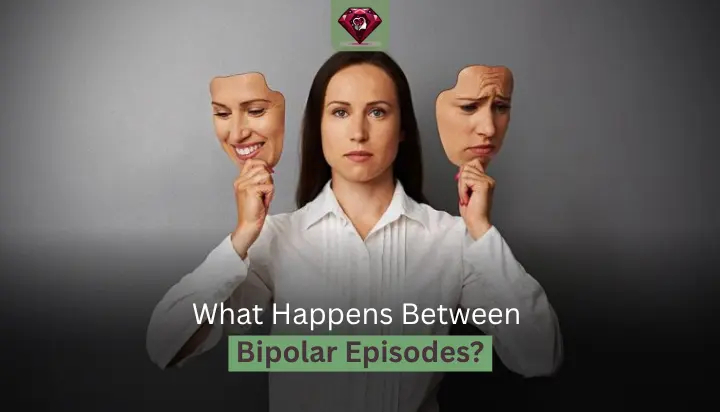
After a manic or depressive episode, you may go through a time of feeling more stable. But what goes on between bipolar episodes? Are symptoms fully gone, or might there be minor changes?
We serve people and families through all stages of bipolar disorder at Ruby Reflections Mental Health. Between episodes of illness, there are times when people can recover and remain stable. However, some people may experience slight changes in their mood, sleep, energy, or attention.
Understanding the Space Between Episodes
Bipolar disorder is characterized by alternating periods of high mood and high energy (manic or hypomanic episodes) and low mood and poor energy (depressive episodes). Many people have a phase between these complete episodes, typically called euthymia, or inter-episode recovery. During this time, mood and energy levels typically rebound closer to a person’s norm.
This phase may feel like a return to normal functioning, although it is not usually fully free from residual effects. Some experience milder residual symptoms, changes in energy, or emotional sensitivity. Some find relatively clear stretches. These intervals range in length and quality from one individual to another and can change over time.
Realizing that the interval between episodes is a phase in itself, not just “back to normal,” might relieve pressure and help you have more realistic expectations of yourself.
Common Experiences During Inter-Episode Periods
The things that happen between episodes can be a mix of emotional, cognitive, and physical experiences:
- A sensation of relief and more emotional stability than during full bouts
- Mild lingering symptoms, such as irritation, weariness, or racing thoughts, that are less acute than in an episode
- More self-awareness and insight into what prompted past episodes
- Changes in motivation, sleep, or focus that are noticeable but controllable
- Mixed views about the relative peace – some people are grateful, others feel apprehensive about the likelihood of another episode
These are normal sensations and are not necessarily a warning that a full episode is about to happen. They symbolize the cyclical nature of bipolar disease and the body’s adjustment process after major mood swings.
Challenges That Can Arise Even During Stability
Even if there are no full episodes, the inter-episode time can have its own difficulties:
- Anticipatory anxiety, or residual anxiety, is the fear of the next episode
- Fear of the calm that follows a period of extreme mood changes
- Strain on the relationship that continues from actions or communication patterns in prior episodes
- Pressure to “catch up” at work or in personal life, which can create new stress
- Small changes in self-image or confidence that take time to recover
It’s important to be self-compassionate and recognize these challenges without judgement. Stability is not the absence of all difficulty. It is a greater ability to respond to life with greater flexibility and support.
Practical Ways to Support Wellness Between Episodes
The interval between episodes is a critical window to build resilience and decrease vulnerability to future mood shifts. Consider these supportive methods:
- Maintain regular sleep, meal, and activity schedules. Regularity often helps stabilize mood
- Adhere to treatment regimens and keep in touch with professional assistance even when feeling well
- Gentle self-monitoring – observing early changes in sleep, energy, or mood without over-focusing on them
- Develop sustainable stress-relieving practices like short walks, quiet time, or meaningful connection with others
- Talk openly with people you trust about how you are doing so that support is still there
These steps work best if you have a flexible, rather than perfectionist, mindset. A small, steady change is more effective than a big overhaul.
The Role of Ongoing Support and Treatment
Many people find it helpful to have ongoing therapy support between episodes. Supportive psychotherapy can help you work through the impact of previous episodes, build coping skills, and work on any lingering emotional patterns. If medication management is part of a person’s plan, it often continues during these times to help keep them stable.
At Ruby Reflections Mental Health, we offer caring, personalized treatment for every stage of bipolar disorder. We support individuals and families to build greater resilience and understanding through secure telehealth and tailored therapy. Continued support in the quieter times can make a real difference to the overall quality of life and long-term stability.
Conclusion
There is more to the time between bipolar episodes than a quiet pause. This is a time of active recovery, adjustment, and opportunity. You may still be experiencing some residual symptoms or emotional sensitivities, but these times can also be opportunities for healing, insight, and building daily supports.
Knowing what tends to happen during these periods of time lessens uncertainty and self-judgment. The inter-episode periods tend to lengthen and stabilize over time for many with consistent routines, self-compassion, and professional support when needed.
You don’t have to do this alone. If you are living with bipolar disorder or supporting someone who is, compassionate care and practical tools can make the journey easier. Please feel free to share this guide with anyone you think it might help. We’re here at Ruby Reflections Mental Health whenever you’re ready.
FAQs
What is the period between bipolar episodes called?
This is often referred to as the inter-episode or euthymic period, when mood returns closer to a person’s baseline.
Are people completely symptom-free between episodes?
Not necessarily. Others feel relatively clear; some have lingering symptoms or emotional sensitivities.
Can stress during stable periods trigger a new episode?
For some people, stress can make them more vulnerable, so it’s helpful to have ongoing self-care and support.
Should treatment continue between episodes?
For many, therapy and prescribed treatment during periods of stability help to ensure longer-term wellness.
How can family members support someone between episodes?
Be there often, encourage good habits, avoid nagging, and be available to talk about progress.