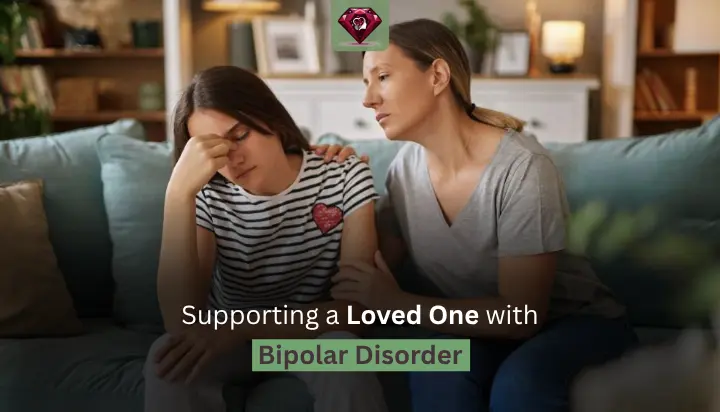
You watch someone you love ride waves of high energy, followed by deep lows, and you feel both love and helplessness. One week, they’re on fire, full of ideas and plans. Next, even getting out of bed seems hard. You want to help, but you don’t know what to say or do, for fear of making it worse.
We work with many families who are experiencing these ups and downs at Ruby Reflections Mental Health. You can’t “fix” someone with bipolar disease; you can show up, be patient, be empathetic, and bring practical tools to the table while also safeguarding your own well-being.
Understanding Bipolar Disorder and Its Impact on Families
Bipolar disorder is a mental health condition that produces extreme mood swings, with shifts in energy, activity levels, and capacity to carry out day-to-day tasks. Usually, these mood fluctuations fall into two categories: emotional highs (mania or hypomania) and lows (depression).
Mania: A state of abnormally elevated mood, energy, impulsivity, racing thoughts, decreased need for sleep, and occasionally dangerous decision-making.
Hypomania: A milder version of mania that nevertheless affects mood and behavior but is usually less severe.
Depression: Feelings of deep melancholy, weariness, hopelessness, trouble focusing, disinterest in activities, and changes in sleep or eating.
These mood swings are not merely “good days” and “bad days.” They are the symptoms of a medical problem that typically requires ongoing treatment involving therapy, medication, lifestyle management, or a mix of therapies.
One of the most crucial ways families may show compassion is to recognize bipolar disorder as a medical illness rather than as a personality defect or a lack of motivation.
How Bipolar Disorder Affects Families
Living with someone with bipolar disorder typically entails responding to their fluctuating emotional and practical requirements. Family members might experience:
- The uncertainty of what each day will bring
- Increased stress and emotional fatigue
- Anxiety with a manic or depressive episode
- Communication issues
- Financial difficulties due to impulsive spending during manic episodes
- Guilt or powerlessness
Many caregivers report feeling as if they are “walking on eggshells,” unsure whether to intervene or to allow their loved one space.
It is normal and understandable to have these feelings. Understanding your own feelings is not selfish; it is a vital element of being able to offer sustainable support.
Recognize Warning Signs Early
Learning to recognize early changes in mood can help families seek help before symptoms become worse.
Potential Signs of Mania or Hypomania
Watch out for changes like:
- Sleeping much less and not feeling tired
- More energy or restlessness
- Talking more than usual
- Mind racing
- Big, unrealistic ideas
- Spending impulsively
- Risk-taking
- Irritability or restlessness
- Getting overly confident or euphoric
Early detection of these signs may allow your loved one to reach out to their mental health provider before symptoms worsen.
Possible Symptoms of Depression
Warning signs may include:
- Persistent low mood
- Tiredness or low energy
- Too much, or too little sleep
- Lack of motivation
- Cutting ties with family and friends
- Trouble concentrating
- Feelings of worthlessness or guilt
- Appetite changes
- Thoughts of dying or suicide
Manic episodes are treated seriously as well as depressive episodes.
Common Challenges Faced by Loved Ones
Supporting someone with bipolar disorder is a challenge in itself. You might walk on eggshells, have mood swings, not know if you should intervene or back off, or feel lost and helpless during depressive episodes.
Many caregivers report feeling emotionally drained, isolated, and even resentful at times. These are reasonable responses and the true cost of loving someone through volatile cycles. Being transparent about these things can help you avoid burning out.
Practical Ways to Offer Meaningful Support
Support for the person you love is in the small, consistent, empathetic gestures.
- Listen without attempting to fix it right away. Sometimes just being there is the most helpful thing you can do.
- Assistance with appointments and logistics. Support their plan of therapy, but don’t make it sound like a demand. Don’t force treatment; support it.
- Know their early warning symptoms. Jointly shared knowledge can lead to earlier and more effective actions.
- Stability and small triumphs: celebrate progress, but don’t make it all about their diagnosis.
Setting Healthy Boundaries and Protecting Your Own Well-Being
It takes balance to support someone with bipolar disorder. You can’t pour from an empty glass.
Establish clear, gentle boundaries: “I want to support you, but I also need time to recharge.” Keep up your own self-care, connections, and habits. Get your own support, therapy, or people whom you trust. Healthy boundaries protect against resentment and model appropriate emotional regulation.
What Not to Do
Even with the best intentions, certain responses can unintentionally make situations more difficult.
Avoid:
- Arguing during manic episodes
- Telling them to “just calm down”
- Dismissing their emotions
- Using guilt or shame
- Taking every comment personally
- Forcing treatment during emotionally intense moments
Instead, focus on staying calm, ensuring safety, and encouraging professional support.
When to Seek Professional Help for Your Loved One and Yourself
If your loved one displays signs of serious depression, participates in risky activity during highs, or has thoughts of harming themselves or others, seek professional help immediately. You don’t have to manage emergencies by yourself.
If you’re a supporter, don’t be afraid to ask for help yourself. Caregiver burnout is a real thing. Therapy can help you learn how to cope with stress and how to be supportive without losing yourself.
At Ruby Reflections Mental Health, we offer caring, secure telemedicine and personalized therapy to help those with bipolar disorder and their loved ones.
Conclusion
Supporting a loved one with bipolar disorder is one of the most demanding but rewarding responsibilities you can assume. It involves patience, education, self-compassion, and the willingness to ask for help when needed.
Your work is important. And even on bad days, it’s important to just show up with understanding. Healing and stability are attainable, and no family needs to go through this on their own.
If you are supporting someone with bipolar disorder, please know you are not alone. When you or your loved one needs help, Ruby Reflections Mental Health is here.
Ready to get support for you or your loved one?
Visit our services or schedule a secure telehealth evaluation today. We’re here to walk alongside you with care and expertise.
FAQs
What is the best way to support someone with bipolar disorder?
Listen without fixing, softly urge treatment, learn their warning signs, and set healthy boundaries.
How do I talk to my loved one about their bipolar disorder?
Choose your times. Use “I” expressions and focus on support, not criticism.
Can I help prevent mood episodes?
You can’t control episodes, but consistent routines, medication compliance, and reduced stress can help decrease their frequency.
What should I do during a manic or depressive episode?
Keep cool. Safety first. Get professional help. Don’t argue with them about their reality.