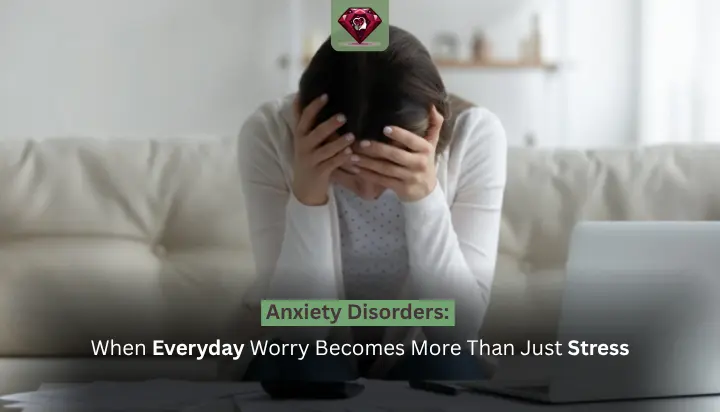
Everyone worries from time to time. You may feel nervous before a job interview, a big presentation, or an important life event. In most cases, those feelings pass once the situation is over.
However, when worry becomes constant, overwhelming, and starts interfering with daily life, it may be a sign of an anxiety disorder.
Anxiety disorders are among the most common mental health conditions in the United States. The good news is that effective treatment is available, and with the right support, many people successfully manage their symptoms and improve their quality of life.
What Is an Anxiety Disorder?
An anxiety disorder is more than occasional stress or nervousness. It involves persistent feelings of fear, worry, or apprehension that can affect work, relationships, school, and everyday activities.
People with anxiety disorders often find it difficult to control their worries, even when they recognize that their fears may be excessive.
According to the National Institute of Mental Health (NIMH), anxiety disorders are among the most common mental health conditions and can affect people of all ages.
Common Types of Anxiety Disorders
Several different anxiety disorders exist, and each one presents unique challenges.
Generalized Anxiety Disorder (GAD)
Generalized Anxiety Disorder involves excessive worry about everyday situations such as finances, work, health, or family responsibilities.
Common symptoms include:
- Constant worrying
- Restlessness
- Fatigue
- Difficulty concentrating
- Muscle tension
- Sleep problems
Panic Disorder
Panic disorder causes sudden episodes of intense fear known as panic attacks.
Symptoms may include:
- Rapid heartbeat
- Chest discomfort
- Sweating
- Shortness of breath
- Dizziness
- Feelings of losing control
Social Anxiety Disorder
People with social anxiety disorder experience intense fear of social situations and may avoid interactions due to concerns about embarrassment or judgment.
Specific Phobias
A phobia involves intense fear of a specific object, situation, or activity that poses little or no actual danger.
What Causes Anxiety Disorders?
There is rarely one single cause.
Instead, anxiety disorders often develop due to a combination of factors, including:
- Genetics
- Brain chemistry
- Personality traits
- Chronic stress
- Traumatic experiences
- Medical conditions
- Substance use
Understanding the root causes of anxiety is an important step toward finding effective treatment.
Physical Symptoms of Anxiety
Many people are surprised to learn that anxiety can affect the body as much as the mind.
Physical symptoms may include:
- Increased heart rate
- Headaches
- Digestive issues
- Muscle tension
- Fatigue
- Sweating
- Sleep disturbances
These symptoms can sometimes be mistaken for other medical conditions, making professional evaluation important.
When Should You Seek Professional Help?
Many people try to manage anxiety on their own for months or even years before seeking help.
It may be time to speak with a mental health professional if:
- Anxiety affects your work performance
- Relationships are suffering
- You avoid activities you once enjoyed
- Panic attacks are becoming frequent
- Sleep is regularly disrupted
- You feel overwhelmed most days
Early intervention often leads to better outcomes and can prevent symptoms from becoming more severe.
How Therapy Can Help
Therapy is one of the most effective treatments for anxiety disorders.
A mental health provider can help you:
- Identify triggers
- Develop healthy coping skills
- Challenge negative thought patterns
- Improve stress management
- Build confidence and resilience
Many individuals benefit from psychotherapy as part of a comprehensive treatment plan.
Can Medication Help Anxiety?
For some individuals, medication may be recommended as part of treatment.
Medication can help regulate symptoms and improve daily functioning when used appropriately under professional supervision.
Treatment plans should always be personalized based on the individual’s needs, symptoms, and overall health.
The Benefits of Telehealth for Anxiety Treatment
One reason many people delay treatment is difficulty accessing care.
Telehealth has made mental health support more accessible than ever. Patients can connect with licensed providers from the comfort and privacy of their homes.
Benefits of telehealth may include:
- Greater convenience
- Reduced travel time
- Increased privacy
- Flexible scheduling
- Easier access to ongoing care
Lifestyle Habits That Support Mental Wellness
Professional treatment is important, but healthy lifestyle habits can also support anxiety management.
Helpful strategies include:
- Regular physical activity
- Consistent sleep routines
- Mindfulness practices
- Balanced nutrition
- Limiting caffeine intake
- Staying connected with supportive friends and family
The Centers for Disease Control and Prevention (CDC) also recommends prioritizing sleep, physical activity, and stress management as part of overall mental wellness.
You Don’t Have to Manage Anxiety Alone
Living with anxiety can feel exhausting, but help is available.
At Ruby Reflections Mental Health, we provide compassionate, patient-centered care designed to help individuals better understand their symptoms and develop effective treatment strategies. Through psychotherapy, medication management, and telehealth services, our team works with patients to create personalized treatment plans that support long-term mental wellness.
If anxiety is interfering with your daily life, seeking professional support may be the first step toward feeling more confident, balanced, and in control.