You’ve tried it all: going to bed earlier, avoiding screens, drinking herbal tea, but you still lie awake at night or wake up too early, fatigued yet unable to attain deep, undisturbed sleep. If this sounds similar, you are not alone.
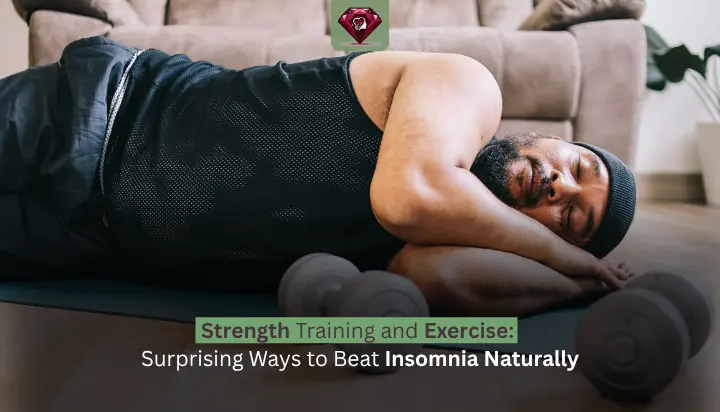
Most people are shocked to hear that regular exercise, especially strength training, can be a strong strategy to enhance sleep. Walking and other light exercise might help, but strength training is especially effective because it works with your body’s natural processes to promote deeper, more restorative rest.
In this post, we’ll look at how strength training and exercise can help you conquer insomnia naturally, how they function, and practical methods to integrate them into your life, all from a compassionate mental health viewpoint at Ruby Reflections Mental Health.
Why Exercise, Especially Strength Training, Helps Improve Sleep
When you’re mentally and physically worn out but still can’t get to sleep, it seems illogical to add additional exercise to your day. But activity, especially strength training, helps to regulate the systems that govern sleep.
Strength training builds muscle and targets your body in a focused way. This form of exercise regulates stress hormones, increases your body’s ability to use energy, and supports the natural sleep-wake cycle. An earlier strength training session often helps a healthy wind-down later in the day by lowering physical and mental tension.
This work is really useful for the nervous system. Regular strength training can help lower your overall arousal levels, which makes it easier for your body to switch into rest mode at night. Adding regular strength work to their regimen helps many people fall asleep faster, remain asleep longer, and wake up feeling more refreshed.
How Strength Training Specifically Helps Beat Insomnia
Strength training is more than just building muscle. It affects numerous critical areas that directly impact sleep quality:
- It helps to control blood sugar and energy levels throughout the day so you don’t have crashes or spikes that interfere with your sleep at night.
- It lets go of physical tensions in the body that often keep the mind alert even when weary.
- It helps with improving mood management, along with reducing symptoms of anxiety or low mood, which often drive sleeplessness.
- It helps you go to deeper sleep by allowing you to spend more time in the restorative stages of sleep.
One of the most surprising benefits of strength training is its effect on the neurological system. It teaches the body to handle stress and recuperate better by using the muscles in a controlled way, making it simpler to relax when it’s time to sleep fully.
Practical Ways to Use Strength Training for Better Sleep
You don’t need a gym membership or hours of spare time to get benefits. Here are easy, practical ideas for adding resistance training:
- Start easy and consistent: Basic exercises like squats, wall push-ups, rows using household items, or glute bridges are a great place to start. Aim for 20-30 minutes, 2-3 times per week.
- Time it right: Complete strength workouts earlier in the day, or at least 3–4 hours before bedtime.
- Combine with recovery practices: Pair strength exercise with moderate stretching or deep breathing to indicate to your nervous system that you’re safe.
- Listen to your body: Start with less effort and increase as you get stronger. Rest days are as vital as training days.
Many clients report that even a small amount of strength training, done consistently, will noticeably enhance the speed at which they fall asleep and the level of refreshment they have in the morning.
Other Complementary Exercises That Support Sleep
Other movements can be helpful, especially strength training can be very helpful:
- Some mild walking or simply being out during the daylight hours helps to set your body’s internal clock.
- Mindful movement methods, such as yoga or tai chi, blend light power, breath, and presence.
- Gentle stretching or other activity to unwind in the evening can reduce physical strain without stimulating the nervous system.
The trick is to find supportive movement, not depleting.
Creating a Sustainable Routine That Fits Your Life
When it feels practical, it’s preferable to develop a healthy workout habit for better sleep. Start with simple goals, focus on consistency rather than perfection, and adjust based on your body’s responses. A lot of busy parents and professionals find success by tying movement to established routines.
Note how you feel on activity days and rest days. Most people notice their sleep improves within a few weeks of regularly exercising at a modest level. Be patient with yourself; it takes time to heal sleep patterns.
When Professional Mental Health Support Makes a Real Difference
Exercise is a terrific strategy, but it is most beneficial when accompanied by support when insomnia is actually related to stress, worry, or unhappiness. If you’ve had difficulties sleeping for weeks or months, even after making lifestyle changes, a mental health professional can help you work through the root causes.
Personalized examination, supportive psychotherapy, and cognitive behavioral techniques for insomnia (CBT-I) offer specific therapies that complement your activity pattern.
Ruby Reflections Mental Health provides care for insomnia, anxiety, sadness, and how they relate to each other. To find out more about how we can help you on your journey to better sleep, go to our insomnia support site.
Conclusion
Mental tiredness and insomnia are often related. Movement, particularly strength training, can be a surprising and effective method to break the pattern naturally. Building strength, regulating your neurological system, and releasing built-up tension all provide the circumstances your body and mind require for deeper, more restorative sleep.
You don’t need to be perfect to get better. Small, consistent activity, self-compassion, and help when needed can make a major difference. You deserve to feel refreshed and more present for the people and things that matter to you when you get up.
Want to get better sleep, the natural way?
You can contact us or request a secure telehealth assessment today. We are here to help you with friendliness and knowledge.
FAQs
Does strength training assist with insomnia?
Yes. It helps many people control stress hormones, lower tension, and increase the depth of sleep.
What time of day is best for strength training if I have insomnia?
Most folks do better earlier in the day, or at least 3-4 hours before bed.
How often should I strength train for better sleep?
Usually, doing it 2-3 times a week brings enough consistency to see improvements.
Is walking enough, or do I need to undertake strength training?
Walking is great, but strength training has other benefits for deeper sleep.
When should you visit a professional for your insomnia?
If you’ve been tweaking your lifestyle for weeks and still can’t sleep, professional help can make a tremendous impact.