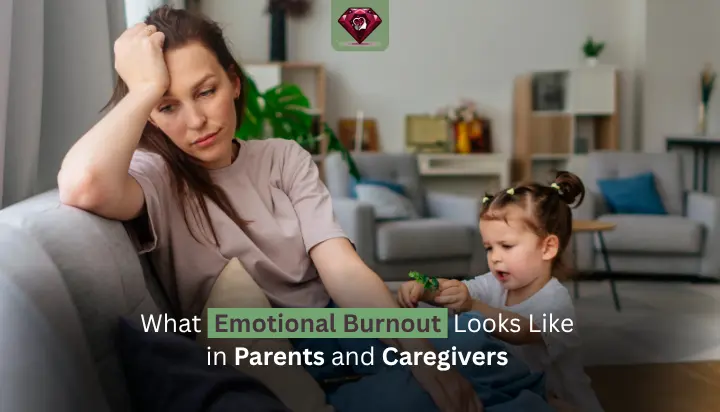
Parenting and caregiving can be a very rewarding and fulfilling experience, but the pressure can also come at you relentlessly. It’s often the case that parents and carers take care of everyone else in their lives and forget that they, too, are suffering from neglect. This ongoing emotional burden can create more stressors over time.
It may seem that you are feeling drained or fatigued even after sleeping. What seemed like simple things can definitely seem overwhelming. This is often known as “emotional burnout.”
It’s common for parents and caregivers to experience emotional burnout, yet many are unaware of it. It may impact emotional state, mental clarity, energy levels, relationships, and family life. Emotional overload and burnout happen on an everyday basis, silently contributing to more than just mental health impacts in some cases, given the physical toll it takes as well.
What Is Emotional Burnout?
Emotional burnout refers to the emotional, mental, and physical “overburn” that occurs when stress is no longer relieved and persists over time. It can build up over a period of time if the caregiver is not given adequate time, support, or recovery time to deal with the emotional burden that is being carried.
Emotional burnout is experienced differently from temporary stress; it can be more chronic. It can leave you feeling tired even after a restful night’s sleep or a lazy day. Many parents talk of feeling emotionally depleted rather than “sad” or “drained.”
Emotional burnout isn’t in any way a lack of vigor or vitality, or a failure as a mother or father. If a person has been pushing to retain all the pieces of the puzzle for a prolonged period without adequate emotional recovery, it can lead to burnout in many instances.
Chronic stress will eventually take a toll on your nervous system and emotions, making you feel exhausted, impatient, anxious, sad, and disappointed.
Emotional Burnout vs. Normal Stress
Parenting and caring for children and young people can be a natural source of stress for parents and caregivers. Temporary stress is usually gone after receiving rest, support, or time off.
Burnout has a greater impact and is more enduring. Caregivers who are feeling burnt out are not just tired at the end of the day; they may feel emotionally or mentally overwhelmed, or feel a sense of disconnection with themselves or others.
Burnout is often characterized by someone who feels empty inside, yet keeps going with their outward activities.
Why Parents and Caregivers Are Especially Vulnerable to Burnout
Often, parents and caregivers have the burden of continuing emotional needs only, and there is not a moment to spare. Emotional burnout typically occurs over a period of time and is caused by constant pressure, having too many emotions at once, and chronic stress.
Constant Emotional Responsibility
A good caretaker will have to address both emotional and physical matters at home. Parents might attempt to keep things going and comfortable while they’re comforting, problem-solving, organizing their day, easing emotional stress on their children, and maintaining the day’s activities.
It’s easy to become emotionally available at all times.
The Invisible Mental Load
Because of the regular mental load that many caregivers tend to have in their heads, they are likely to experience emotional burnout. Tasks are not limited to keeping track of appointments, scheduling, planning activities, anticipating tasks, or managing the home; they are also part of the day’s activities.
This work is not always visible, and the emotional wear that many caregivers feel is of no consequence to others, and sometimes they don’t really know why.
Lack of Rest and Personal Recovery Time
The brain never truly rests, which makes it difficult to find emotional rest when the brain is not rested. Many parents are still thinking about responsibilities, concerns, schedules, and unfinished tasks even when they’re not at work.
Over time, emotional resilience decreases due to interrupted sleep, other distractions, and chronic stress.
Caregiver Guilt and Pressure
There is a lot of pressure on parents to do everything well without taking any time for themselves. Others feel bad about asking for assistance and taking time off because they think there is no need to take breaks, since they should always be emotionally available to their family.
This emotional stress can also add to the fatigue of caregivers, which may lead to chronic caregiver burnout.
Chronic Stress and Nervous System Overload
When the nervous system remains constantly “on guard” due to prolonged stress, it essentially becomes a chronic stress response. As the weeks and months pass, it’s the body and brain that start to struggle to heal the emotional toll.
This can induce irritability, emotional numbness, mental fatigue, emotional withdrawal, and being saturated by the stress.
What Emotional Burnout Looks Like in Daily Life
Emotional burnout can manifest in subtle, everyday ways rather than in dramatic emotional breakdowns among parents and caregivers.
Emotional Signs of Burnouts
Feelings of emotional exhaustion or emptiness most of the time are among the most prevalent symptoms of emotional burnout. Little annoyances can become very difficult, and emotional patience can become short-tempered.
Some people notice that they are more irritable, emotionally numb, or becoming indifferent when something that is normally meaningful happens. People experience a sense of emotional disconnection but still strongly love someone.
Other people may be more touchy, more emotional, or not find things to enjoy that used to take their mind off the mental load.
Mental Signs of Burnout
Burnout can severely impair one’s ability to concentrate and think clearly. Brain fog, forgetting, or having racing thoughts and constant overthinking are some of the complaints of emotionally exhausted parents.
Others may feel overwhelmed and think less during the day, or feel out of the loop or unable to focus on what they are saying, doing, and experiencing as part of their families.
Physical Signs of Burnout
Emotional exhaustion affects the body, too. Chronic stress can cause fatigue, headaches, tight muscles, sleep difficulties, low energy, and a feeling of constant depletion.
The body is often the first to show signs of the nervous system’s longing for emotional balance.
Relationship and Family Changes
Caregiver burnout may creep in unnoticed, affecting the family’s emotional intimacy. In normal day-to-day interactions with their parents, the child may be too emotional, impatient, or overwhelmed.
Family interactions can be more strained or edgy, or may occur at a lower quality when communication lacks its customary level of continuity and enjoyment. Communication patterns in the family may be more tense or even edgier, and overwhelmed caregivers may find themselves less engaged in moments that may otherwise be fun or pleasurable.
This is not to say that the love is lost. Being emotionally burnt out doesn’t mean emotional connection is impossible any longer; it simply means that sometimes it becomes more difficult.
The Hidden Emotional Cycle of Caregiver Burnout
The most challenging part is the vicious cycle of emotional burnout over time.
The “Keep Pushing Through” Pattern
Many caregivers keep going when they’re tired because responsibilities don’t end. As time goes on, surviving becomes the norm, and emotional needs are constantly ignored.
Many parents start thinking they are being selfish as they feel they need rest or support, and they begin to feel guilty about it. As burnout increases, parents start to feel guilty for taking rest or needing support. Some feel that they don’t have control over their emotions and think that they can do better.
Guilt About Slowing Down
Many parents and caregivers feel guilty taking a break or seeking assistance. They might imagine that they ought to be able to take on all of this without becoming overwhelmed.
Often, this guilt presents an obstacle to emotional recovery and provides further emotional stress.
Emotional Disconnection and Shame
As burnout worsens, some caregivers may start to feel alienated from their families and themselves. This can lead to self-criticism and shame.
However, during burnout, thoughts may arise saying, “Why can’t I be more alert and active?” or “I should be able to do this better.”
How Burnout Quietly Deepens Over Time
Burnout tends to worsen over time if recovery and/or support are lacking. Emotional resilience declines, overwhelm increases, and emotional shutdown may become more prevalent.
Since burnout takes time to develop, it can take many months or even years for a person to notice they are purely exhausted with the job.
How Emotional Burnout Affects Children and Family Life
Emotional burnout doesn’t just impact the caregiver. A home’s emotional atmosphere is part of a home’s energy.
Emotional Energy Shapes the Home Environment
If adults aren’t aware of emotional tension and try to disguise it, children will sense it. Burnout can be a stumbling block within a family’s normal dynamics.
Communicating within the family may become more succinct, less patient, and less emotionally connected with others from there.
Burnout Can Reduce Emotional Availability
Caregivers who are emotionally drained can have difficulty engaging in emotions, being patient, listening, or being present.
But “emotional exhaustion” is not necessarily due to a lack of love or care, and many parents feel guilty about this.
Why Supporting Caregivers Supports the Entire Family
Maintaining caregivers’ mental health helps maintain emotional balance in the home. As children’s feelings toward the caregiver(s) begin to be ignored, family interactions and relationships generally go through an improvement period as well.
Signs It May Be More Than Burnout
Sometimes, emotional exhaustion can happen when someone is suffering from anxiety-related or depressive symptoms, and stress can also be an issue.
Some caregivers feel hopeless, emotionally numb, interested in nothing, have a racing mind, or don’t know how to relax. Others may be aware of persistent anxiety, emotional numbness, or daily problems with functioning.
It’s useful to be aware of these patterns because they can help determine whether extra help is needed.
Gentle Ways Parents and Caregivers Can Start Recovering
The first steps of recovery from emotional burnout are often small, realistic ones, and not stopping.
Stop Waiting for a “Perfect Break”
But for many caregivers, it is their own belief that they must “vacation” or get away “completely” from the situation to recover emotionally. Essentially, nervous system recovery begins with incremental moments in life when we can rest and regulate our emotions.
Reduce Emotional Overload Where Possible
The nervous system can slowly recover from chronic stressors by minimizing unnecessary stressors, unrealistic expectations, and streamlining routines.
Build Small Moments of Emotional Recovery
Over time, emotional recovery can be achieved through quiet time, short walks, calming music, deep breathing, or even moments of alone time free of guilt.
Allow Support Instead of Handling Everything Alone
Many caregivers feel they need to take on all the responsibility, believing they don’t need support. But offering them emotional and practical assistance can alleviate emotional isolation and further prevent burnout.
Practice Self-Compassion Instead of Self-Criticism
Ruminating or beating oneself up can worsen emotionally draining feelings. Rather than “How could you have gotten burned out? It was your own problem,” it might be better to acknowledge that prolonged emotional overload and recovery needs have caused burnout.
When Professional Mental Health Support Can Help
Emotional exhaustion affecting parenting skills, relationships, emotional bonds, or functioning can become an issue, and professional support can be beneficial.
The safe, non-judgmental environment of therapy allows one to navigate feelings of overwhelm, tolerate stressful situations, learn to manage emotions, and develop more positive coping strategies.
Compassionate counseling is offered to ease the emotional stress, burnout, and anxiety for emotional health and care overload at Ruby Reflections Mental Health in personalized therapy and secure teletherapy to accommodate busy family life.
Supporting a Burned-Out Parent or Caregiver
The first step in helping someone who is manifesting burnout is to validate their feelings.
This can cause the caregiver to feel unheard if they are exhausted, for example, when they say things like “Everyone is tired” or “Just relax.”
But that will help little when practical aid, patience, comprehension of feelings, and urging to take rest come to the aid instead.
Emotional support can sometimes alleviate a caregiver’s sense of being alone with what they’re taking on.
Conclusion — You Can Care for Others Without Losing Yourself
Emotional burnout is a very real and common occurrence among parents and caregivers, often overlooked and misjudged. However, burnout is not laziness, a mistake, or a failure in parenthood. This often occurs when there is a prolonged period of feeling overwhelmed by emotions due to a lack of recuperation or support.
The good news is that recovery is available.
Little adjustments, emotional support, healthier boundaries, self-compassion, and professional guidance will gradually restore emotional balance and connection.
You should receive support as well.
But maintaining your health is doing so for your family; it’s part of taking care of them.
FAQs
What are the signs of emotional burnout in parents?
Symptoms include emotional exhaustion, irritability, brain fog, emotional numbness, sleep problems, feeling overwhelmed, and decreased tolerance/patience.
Is caregiver burnout the same as depression?
These may coexist, but feeling stressed out and being emotionally overwhelmed are signs of caregiver burnout. In contrast, depression can have more negative thoughts about loss of hope or constant emotional deadness.
Does emotional burnout affect parenting?
Yes. Emotional burnout can impact patience, emotional availability, communication, and emotional connection with family.